One of the reasons that commercial and residential fires are one of the scariest potential emergency situations is that it can take form in so many different ways, and one containment solution will not work for every type of fire. There are six classes of fire and four methods of fire spread. The varying combination results of these two aspects decide the best solution for the containment and final extinguishment of this common and destructive force.
The Fire Classes
To the average person, fire is one thing – blasting, scary heat. But in actuality, fires come in six key classes, which are determined by the accelerant it’s feeding off. Technically speaking, a fire is started by the rapid oxidation of a material in the exothermic chemical process of combustion, releasing heat, light, and various reaction products2. But to simplify this, fire starts as a rapid chain reaction when the right balance of oxygen, fuel/accelerant and heat is met. This could come as a spark of electricity, or a chemical reaction of two opposing elements.
When a fire fighter is facing a new emergency, they must identify the class of fire immediately in order to effectively contain and subdue the situation. They are as follows:
Class A – This involves common combustible solids, such as wood, plastics, and items of clothing. The best extinguishing method is by cooling. Common Origin – kitchens, living spaces, bedrooms.
Class B – Flammable liquids, like petrol, oils, and paints are best taken head on by smothering. Common Origin – kitchens, petrol stations, commercial industrial buildings.
Class C – This involves flammable gases, such as LPG and other natural gases. The best way to deal with it is by “starving” the fire, which is by turning off the main source of gas. Common Origin – BBQ’s, malfunctioning gas heaters, modernised camping areas.
Class D – Combustible metals like magnesium must be suppressed by inhibiting the chemical reaction. Common Origin – Laboratories, technology workshops.
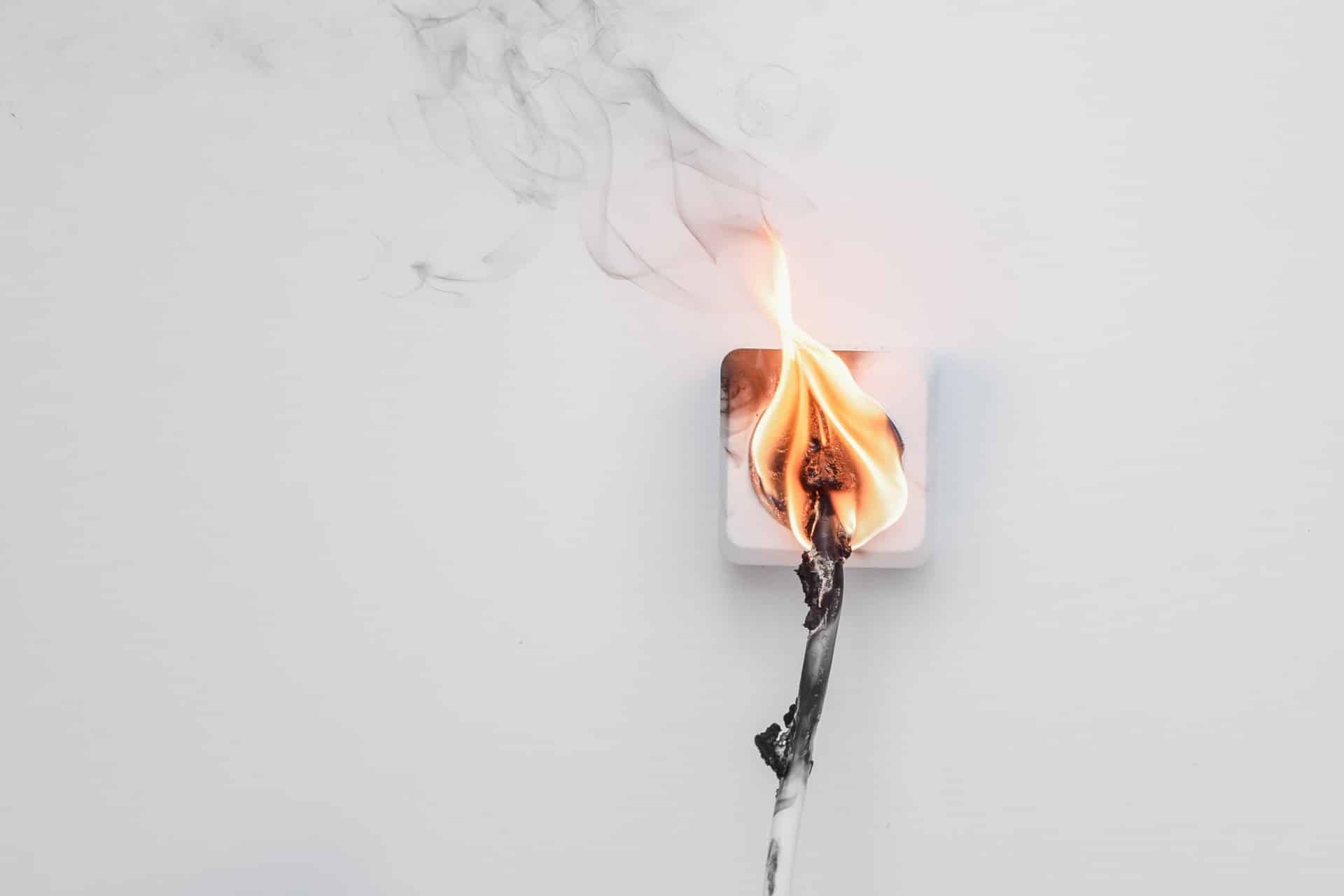
Class E – Fires starting from electrical devices must be smothered as soon as possible, and the device switched off and cooled, too. Common Origin – malfunctioning computers, phones, medical tools.
Class F – Fats and oils, such as cooking oils are also best addressed by smothering. Common Origin – kitchens, tanneries.
While the solutions mentioned above are appropriate according the class of fire, it is equally important to assess the entire environment in order to recognise likely directions of fire spread and potential new threats that could arise from the acceleration of just one of these classes. For example, an originating Class E (electrical) fire in a kitchen where the presence of cooking oils or flammable gases are active, could spark a secondary situation of a Class B or Class C fire.
There are four primary methods of Fire Spread:
Convection
This is defined as the transmission of heat within a liquid or gas and is due to their difference in density.
Conduction
Conduction is the transmission of heat through materials. When there is sufficient heat present, it may be enough to ignite fuel through other objects. Combustible materials, for example, are most susceptible to heat transmissions (aka, conduction).
Radiation
This is the transmission of heat by waves travelling until heat is absorbed by other objects. An example of this would be a bar heater or open fireplace radiating onto a too close fabric chair.
Direct Burning
This is the simplest way to spread fire: direct application. A lit match can easily burn paper, for example. The more objects the fire gets in contact with, therefore, the bigger the probability that the fire will be able to spread faster.
Passive Fire Solutions are essentially the equivalent to airbags in a car. They exist quietly to create safer and more controllable emergency situations, if not stop the situation in its tracks entirely.
These solutions utilise the four main methods of fire reduction and extinguishing:
Cooling
Reduction of the fuel temperature until it is below the ignition point.
Smothering
Smother the fuel so that all or part of the oxygen are removed from the fuel area.
Starving
Removing the source of the combustible material, such as turning off the gas cylinder.
Inhibiting
Applying a chemical agent, such as a fire-retardant chemical, to stop the fire’s reaction process.
When considering the right fire preventative solutions for your residential or commercial building1, one should consider all the most likely situations that could occur and get advice for the best passive fire solutions to protect your home and work place. NSW Residents, make your first call to All Passive Services3.
https://www.fire.nsw.gov.au/page.php?id=3
https://www.nwcg.gov/publications
https://allpassiveservices.thankduck.dev/